I’ve been captivated by the stories and photos of my family since I was a little. My paternal grandparents affectionately called me the ‘family genealogist’ back then, though my interest didn’t fully mature until I began building a spiritual practice.
Suddenly, understanding who my ancestors were and where they came from took on a deeper kind of importance.
What began as a simple search for names and birth dates became a profound exploration of my lineage and of who I am – not only as an individual, but as the result of centuries of lives lived before me.
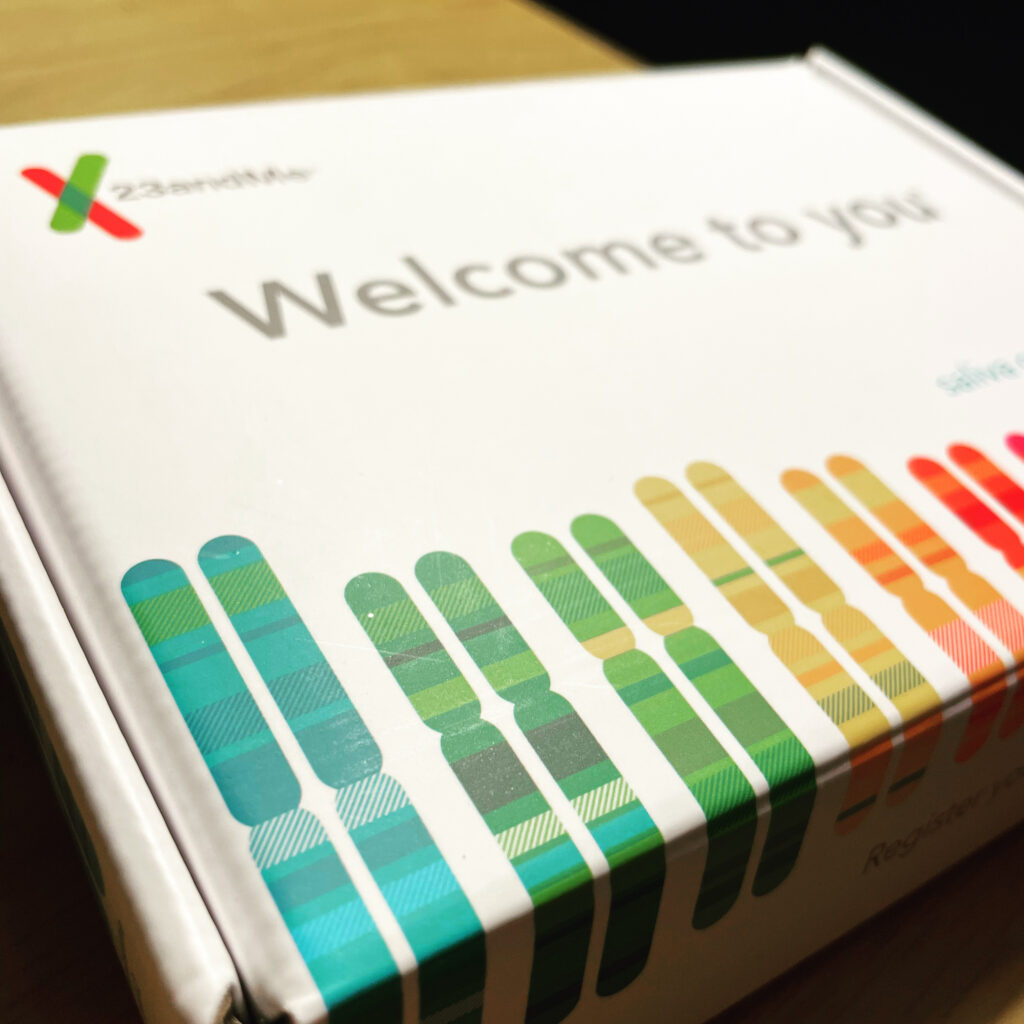
My formal foray into ancestry research began years ago with an Ancestry account. Over the last four years, I’ve expanded that research to include genetic testing services like 23andMe, hoping to uncover a fuller, more scientifically informed understanding of my history.
I was also fortunate to receive research compiled by several distant relatives. Their work offered valuable insights, though their genealogical charts could only take me so far, especially since my focus is on direct lineage.
A family bible may have held some of the answers I was searching for, but it was stolen, along with many other personal family effects and heirlooms – casualties of a complicated family battle after the deaths of my paternal grandparents.
One of the most striking revelations, however, has been the depth of my family’s roots in the United States.
My ancestors, on both sides, arrived during colonial times, settling primarily in Virginia and North Carolina. Astonishingly, most of my family has remained in those regions, with very few exceptions.

Equally striking were the discoveries that contradicted family lore.
For example, most of my life I was told we were predominately of German descent, on my paternal side, but DNA revealed a very different story; my strongest paternal ties lie in the Scottish Lowlands, Northeastern England, Cornwall, and Wales.

Exploring this history has also influenced my spiritual practice.
As I delved deeper into my ancestry, my great-grandparents – and the greats before them – began to feel present in a way I can’t really explain.
What started as research slowly became ritual.
In learning their names, tracing their paths, and sitting with their stories, I found myself in deeper conversation with those who came before me. The more I learned, the more reverence I felt for the lives that made mine possible.
Venerating them became an organic, meaningful part of my daily life.
Not every discovery has been easy to process, however.
I learned several of my ancestors owned slaves, and that realization knocked the breath out of me. This wasn’t some distant or abstract connection; it was a direct link to one of humanity’s darkest chapters.
The weight of this truth grew cloudier as I uncovered records of relatives who also fought for the Confederacy during the Civil War – one was executed for desertion, another lost in battle.
Reconciling these truths has been challenging.
I’m still learning how to confront my family’s role in these atrocities. Facing these difficult truths demands seriousness, humility, and respect. It’s my hope to uncover the full story of my families – not only the parts that are interesting or exciting, but also the parts that are painful and difficult to accept.
This undertaking has been humbling and deepened my understanding of how complex identity truly is. And as I get older, I’m more aware that it’s fully my responsibility to work to amend our collective generational sin.
Safeguarding and passing down an honest history of my lineage may be one of the most important things I ever do.
I want my kiddo to understand they’re part of something ancient and enduring, part of an unbroken thread connecting us to those who came before. But I also want them to feel empowered and protected as they grow into themselves and they can only do that if I pave a more thoughtful path for the next generations.
I have to because I’m the last one standing…
There’s no one else left to tell the story of us.