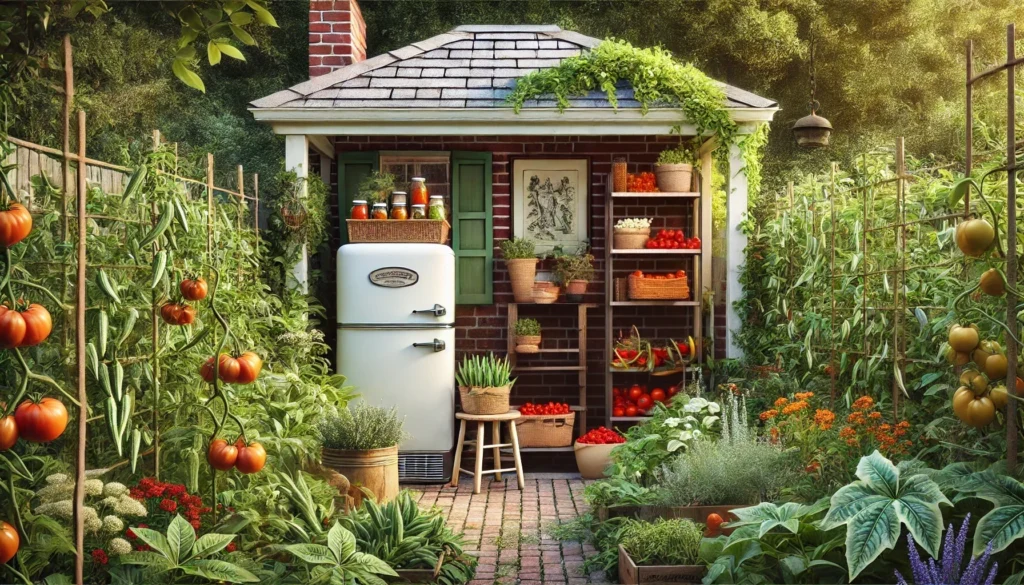
I grew up surrounded by gardens that were lush, practical, and ever-present.
My parents kept a classic kitchen garden in our backyard full of tomatoes, bell peppers, okra, and the like. And my grandparents’ gardens were a bounty of butterbeans, cucumbers, cantaloupes and fresh herbs.
Shelves lined with mason jars stood as quiet testaments to self-sufficiency in a small, brick carport… Beside them, a standing freezer held even more for when fresh vegetables were no longer in season.
Most every single meal we shared with them included something from that carport – a bag of creamed corn or strawberry jam and pickled watermelon rinds.
I didn’t realize it then, but those long afternoons spent shucking corn and shelling butterbeans on the deck weren’t a fun family pastime… they grew food with the seasons, preserved it when we had more than we needed, and made do with what we had because there was no fallback.
Back then, no one talked about sustainability because it wasn’t a movement or a political statement, it was just daily life.
Before mass production, families like mine relied on their own hands and passed down knowledge of how to care for the land… They composted food scraps to
feed the soil, saved seeds for next season’s plantings, and rotated crops long
before agricultural science confirmed it was the best way to keep the soil fertile.
Fundamentally, they understood something we often forget: Nature provides, but only if you take care of her.
Food wasn’t the only thing they conserved: wood was collected and split, dry goods rationed, and scraps of fabric and thread were stashed for mending. Nothing – and I mean absolutely nothing – was thrown away.
Today, we call it ‘zero waste’ or ‘eco-friendly’.
Granddaddy just called it common sense.
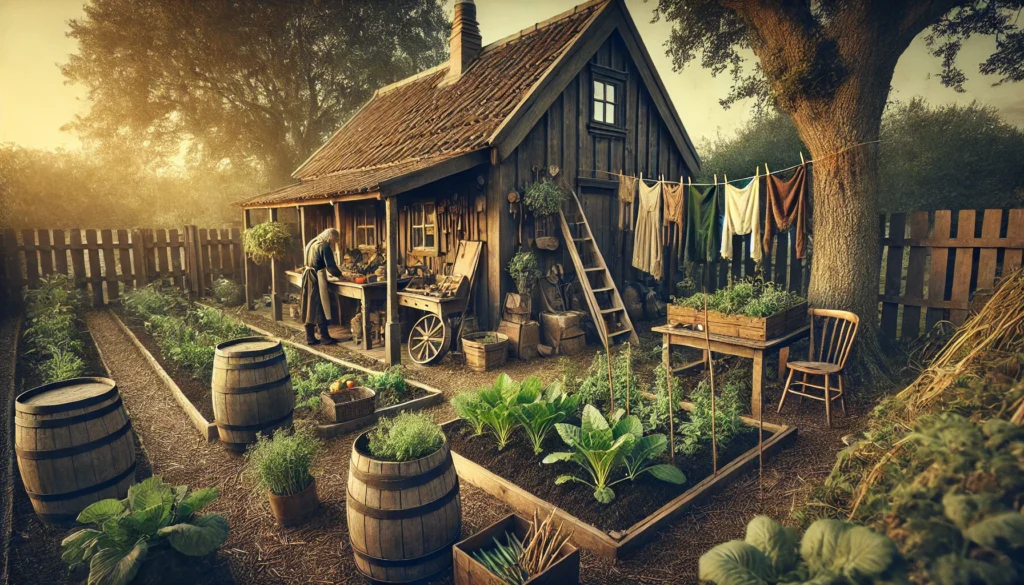
During the Great Depression, a garden was more than a patch of dirt, it was food security. For the average family, it was very much the difference between having enough to eat or going without.
Even city dwellers found ways to grow food in small spaces, tucking tomato plants into alleyways and balconies or turning tiny right-of-ways into vegetable beds.
And as our country entered World War II, Victory Gardens accounted for nearly forty-percent of vegetables grown in the United States; Proof of what community could accomplish when it turned back to the land.
This was a generation that took care of what they had because they came from nothing and understood there was no guarantee of more.
As a nation, we haven’t experienced poverty, rations or shortages on the same scale as those generations, and because of that, the urgency to prioritize these kinds of life skills has faded.
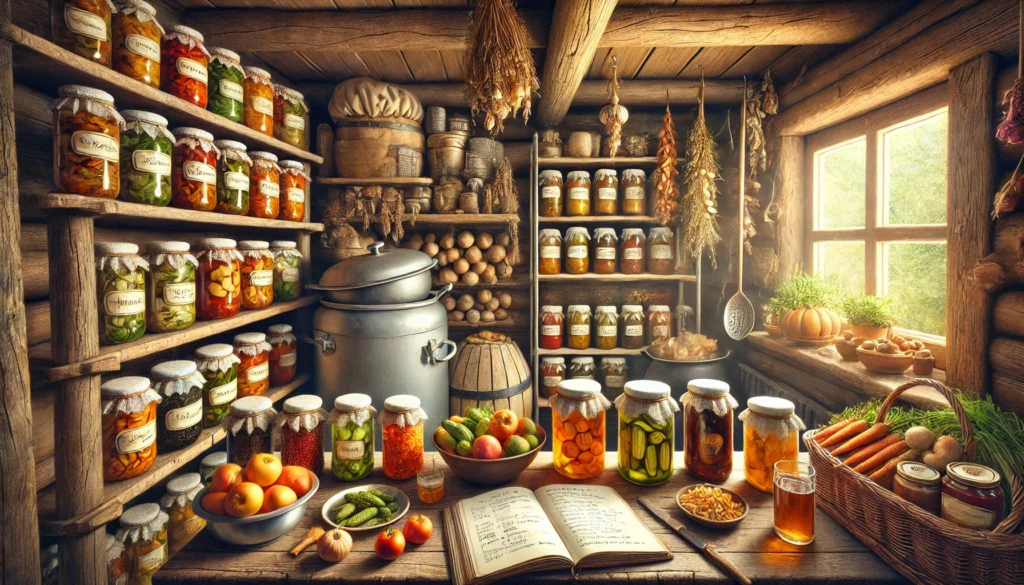
Part of a growing a good harvest also meant knowing how to make it last.
Before refrigeration, storing food was a necessary skill and one that both sets of my grandparents understood quite well. Their pantries were never empty because they worked hard to put food away when they had it.
Canning has long been a trusted method of preservation, but historically, people preserved food in whatever ways made sense for their land, climate, and culture.
Root cellars kept potatoes, carrots, and apples fresh for months. Fermentation turned cabbage into sauerkraut, cucumbers into pickles, and milk into cheese, adding both flavor and shelf life.
Smoking and salting preserved meat long before iceboxes, while sun-drying fruits, herbs, and even fish provided another way to store food without any equipment.
Most importantly, food was treated with respect.
Fruit that was too ripe became jam and vegetable scraps became a hearty soup stock. Leftovers were always repurposed, stretched out, and reinvented into another meal.
You didn’t throw food away – you honored it.
Sometimes, I think about how far we’ve drifted from that wisdom.
Now, food is wasted on a scale my grandparents could have never imagined. Leftovers are tossed without a second thought and we buy far more than we
need because convenience taught us to.
Capitalism often outranks conservation.
Reclaiming their way of living is not only practical or sustainable, but it’s also a way to connect with the land while building something steady and enduring for our own families.
And if nothing else, when you open a jar of tomatillos in the middle of winter, you’ll taste the rewards of hard work and tradition.
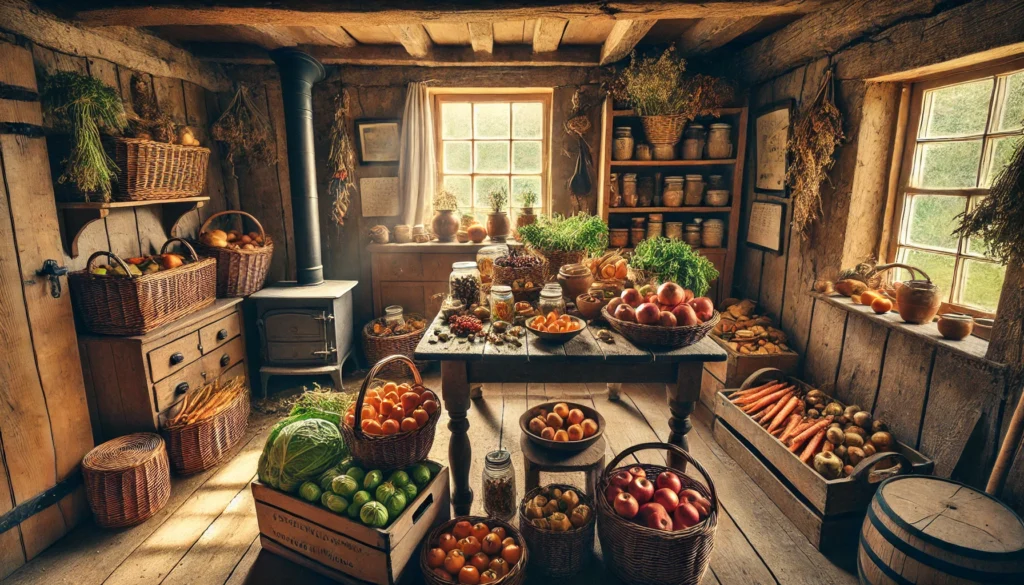
My families were quite gifted at adapting and not panicking when money was tight, knowing economic survival wasn’t about having more, but making do with less.
The Great Depression only reinforced that mindset.
They traded eggs for milk and bartered for help with home repairs… Participating
in a strong community meant sharing what they had and trusting that when they needed help, someone would be there for them, too.
But even outside of crisis, this, again, was simply how people lived.
Resourcefulness was a way of thinking.
If you needed furniture, you built it. If your shoes wore out, you patched them. And if something broke, you fixed it because replacing it wasn’t an option.
Contrast that with today, where bartering has all but disappeared from the middle class and self-sufficiency is often dismissed as a practical skill that’s too fringe or ‘granola’.
Knowing how to fix, trade, grow, and make do is what allows people to thrive, no matter what the economy does. And when you know how to take care of what you have, you realize just how little you actually need…
That lesson is just as valuable now as it was then.
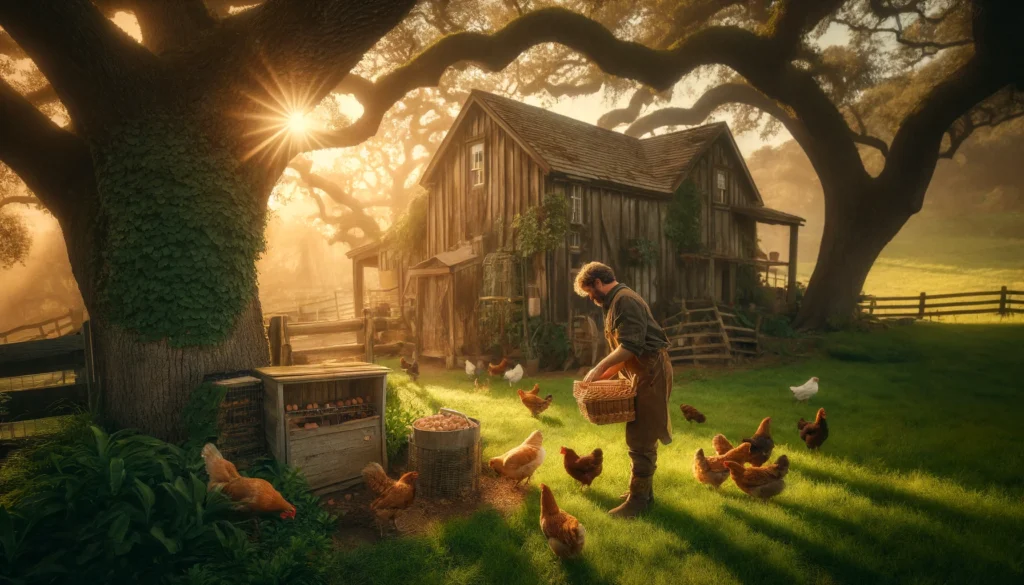
Speaking of mending…
In my great-grandparents’ time, fashion wasn’t dictated by trends.
People didn’t cycle through wardrobes with the seasons, they made what they had last as long as possible. Function often, if not always, took precedence over form.
Clothes were handed down, patched, and eventually repurposed. When a shirt became too thin to wear, it became a cleaning rag. When a quilt started to fray, it was reinforced with pieces of an old dress.
Even thread for mending was saved from garments too worn to repair.
The same philosophy applied to the home… milk bottles were returned instead of discarded. Ash from the fireplace was used to make soap and old flour sacks were stitched into aprons, then later used to strain broth.
Food packaging was saved, too – butter wrappers lined baking tins, and string was tucked away in drawers for tying up roasts or hanging herbs to dry.
Thrift was only the surface of it, though.
Beneath that, it was about respecting the work that went into making.
Things aren’t made to last in the modern world because corporations profit when they don’t. And this holds true in most every mass industry: agriculture, fashion, automotive, real estate, and homes.
On the surface, my family was teaching me frugality, but when I really listened, it was about living with intention.
Only by shifting back toward local ecosystems can we stop treating our possessions as disposable and begin valuing them again.
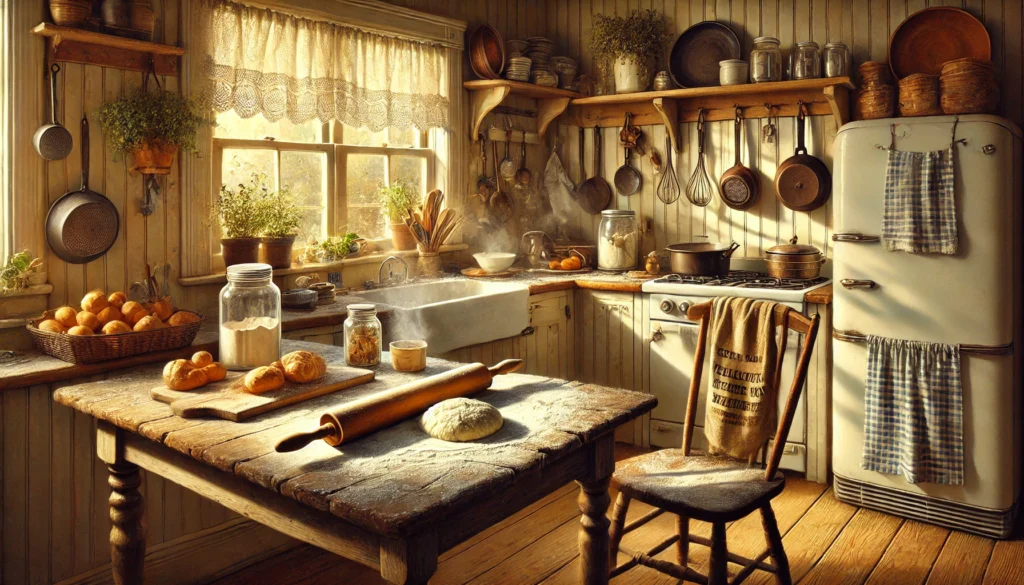
I think about my family a lot, in the garden.
When I’m barefoot in the dirt, pulling weeds or picking tomatoes off the vine, I wonder if they’d nod in quiet approval.
I compost food scraps and simmer leftovers into soup stock. I make fire cider in the Fall and keep jars of fermented garlic honey on the counter during flu season.
I also grow my own food – not all of it, but enough to matter.
And what I don’t grow, I source as close to home as possible. Having been part of a local farming co-op for the better part of a decade, we get meat, dairy, and produce from the kind of small-scale agriculture that once fed entire communities.
These same values guided us to choose a locally-owned design:build firm for our home renovation, one that prioritizes working with trade partners who live within our own community.
And as we continue to age in place, we’ll repair rather than replace.
That’s what our grandparents would have done.
I’m not saying we have to live exactly as our ancestors did because we have the privilege of modern convenience, but just because we don’t have to live like them, doesn’t mean we shouldn’t learn from them.
Respecting the food you eat and the things you own… We have to learn to look at what we have and ask, “How can I take care of this? How can I make it last?”
These habits aren’t something we’ll adopt overnight.
We’ll have to weave them into rhythm of our daily lives the same way they were woven into the lives of those who came before us…
Slowly, and over time.
We may not live exactly as our elders did, but I do think we’d be wise to remember how and why they did.